

Epicel product

Epicel is an autologous treatment for adult and pediatric patients with deep dermal or full thickness burns comprising a total body surface area greater than or equal to 30%

Autologous treatment:

Burn repair using a patient's own cells

A customized amount of Epicel grafts can be generated and shipped to your facility in a single order

A Vericel representative is available to help determine the appropriate use and number of grafts per patient.

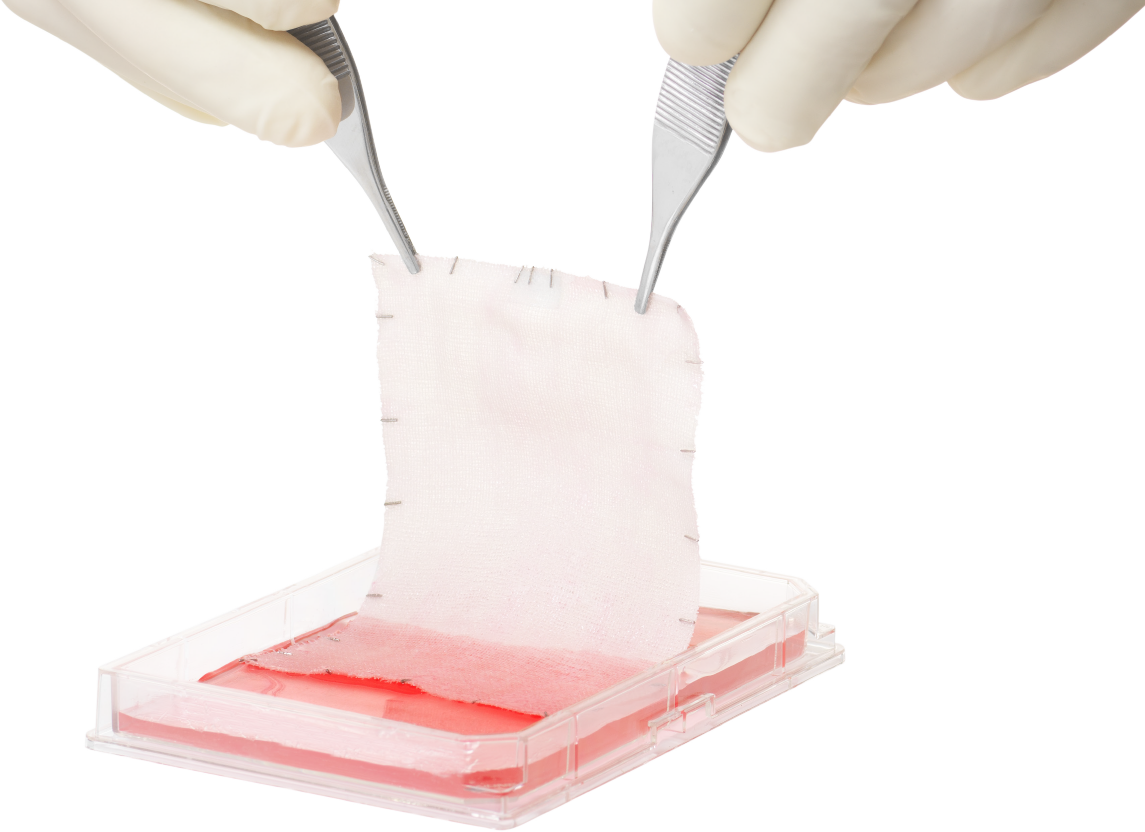
Epicel is derived from two full-thickness biopsies measuring approximately 6cm long by 2cm wide. 

Skin graft dimensions - 6cm x 2cm

Epicel is permanent skin covering for burns ≥30% TBSA

Epicel Patient Survival

In the Epicel Clinical Experience databases, 954 adult and pediatric patients with a mean TBSA of 67.5% showed:
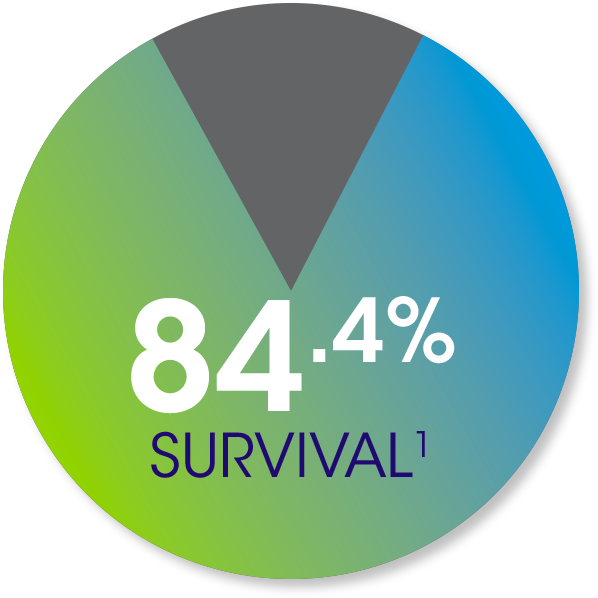
84.4% survival¹

The overall survival rate was 84.4% (804/954) at hospital discharge.
The survival rate for pediatric patients was 88.9% and for adults the survival rate was 82.0%.1

Burn patient survival In the 2016 National Burn Repository, 8,870 burn patients with a TBSA of 30%-90% showed: 68% survival2

A single Epicel order can cover an area up to

5,760 cm2 Epicel can be ordered for subsequent surgeries without the need for additional biopsies

In the Epicel Clinical Experience databases, 453 patients showed a median take rate at discharge of 75%1

Additional potential benefits of Epicel have been reported:

Rapid Wound
Closure

Epicel may assist in establishing a more rapid wound closure3

Functional
Tissue

Epicel is able to maintain the characteristics of authentic epidermis4

Lower Rate of Infection

By facilitating early wound closure, Epicel was shown to lower the postoperative infection rate5

History of Excellence

Epicel has been used for over 25 years and is manufactured in a state-of-the-art cell culturing facility in Cambridge, Massachusetts

Verified and Validated

Epicel is evaluated for cell sterility and viability, verified by a standard assessment, and then confirmed prior to shipment

Expert support Provided

Vericel Account Managers and Burn Clinical Specialists are dedicated to providing support for healthcare teams using Epicel

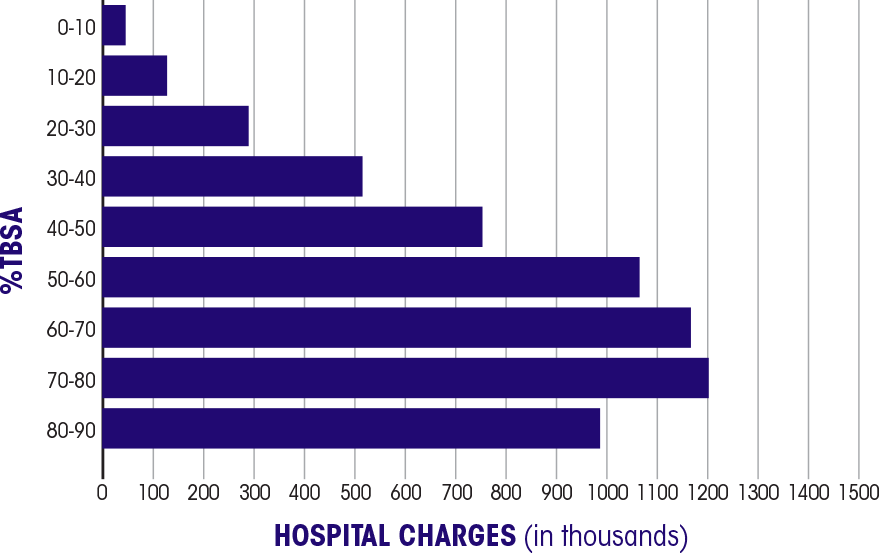
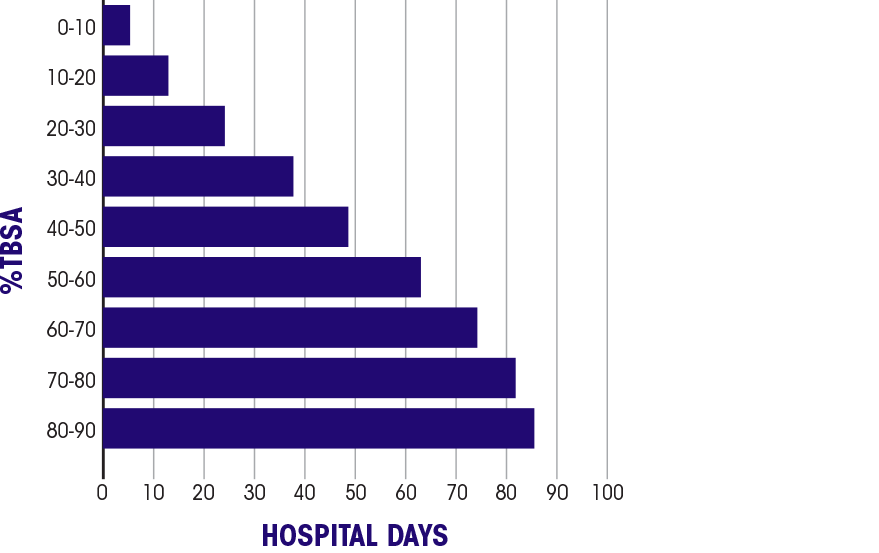
Burns constitute a significant expense

Epicel may lower the rate of postoperative infection as well as shorten the hypermetabolic response to the burn injury, which may lead to faster wound closure and reduced overall stay.4,6

Mean number of hospital days by TBSA in surviving patients2
%TBSA by Hospital Days
Mean cost of hospital stay by TBSA in surviving patients2
%TBSA by Hospital Charges (in thousands)

Specialists are available to answer reimbursement questions about Epicel and the CEA procedure.

Epicel is widely reimbursed and included on a majority of national insurance plans.
Click here to learn more about Epicel reimbursement

Humanitarian Device and Important Safety Information

Important Safety Information

Epicel is contraindicated in patients with a history of anaphylaxis following exposure to vancomycin, amikacin, and amphotericin, as trace quantities of these anti-infective agents may remain in the Epicel autograft.

Humanitarian Device

Epicel (cultured epidermal autografts) is authorized for use in adult and pediatric patients who have deep dermal or full thickness burns comprising a total body surface area greater than or equal to 30%.

Humanitarian Device

Epicel (cultured epidermal autografts) is authorized for use in adult and pediatric patients who have deep dermal or full thickness burns comprising a total body surface area greater than or equal to 30%. It may be used in conjunction with split-thickness autografts, or alone in patients for whom split-thickness autografts may not be an option due to the severity and extent of their burns. The effectiveness of the device for this use has not been demonstrated.

Important Safety Information

Epicel is contraindicated in patients with a history of anaphylaxis following exposure to vancomycin, amikacin, and amphotericin, as trace quantities of these anti-infective agents may remain in the Epicel autograft. Epicel should not be used in patients with known sensitivities to materials of bovine or murine origin. It is contraindicated for use on clinically infected wounds.

Because Epicel is manufactured with and contains residual amounts of murine cells, FDA considers it a xenotransplantation product. Therefore, recipients should not donate whole blood, blood components, source plasma, source leukocytes, tissues, breast milk, ova, sperm, or other body parts for use in humans because there is a potential risk of carrying an infection that is transmitted from mouse cells to humans.

Squamous cell carcinoma (SCC) has been reported in patients with burn injury after being grafted with Epicel. Although SCC is a known complication of burn scars, the role of Epicel in the causation of SCC cannot be excluded.

The Epicel product is intended solely for autologous use. Patients undergoing the surgical procedure associated with Epicel are not routinely tested for transmissible infectious diseases. Discontinue use if the patient shows evidence of allergic reaction.

If clinical signs of infection are present or develop, do not apply Epicel until the infection is adequately treated.

The effectiveness of Epicel has not been proven in clinical studies.

The long-term safety of Epicel is unknown. Over the past 27 years, the mortality from all causes was 13% before hospital discharge.

Men and women who intend to have children should be advised that the effects, if any, of Epicel on fetal development have not been assessed. In addition, the safety of Epicel has not been studied in pregnant and nursing women.

Patient information supplied by attending burn teams from 1989 to 1996 reported the adverse events of highest incidence as: death (13%), infection (13.8%), graft tear (7.8%) or graft blister (4.2%) and drainage (3.3%). Some of these events may have been due to the underlying burn injury and not the device itself.

From June 1998 through September 2015 adverse events received by Genzyme Biosurgery (predecessor in interest to Vericel) and Vericel Corporation were similar to the previously identified adverse events. Events that were reported in ≥ 1% of patients included multi-organ failure (6.6%), sepsis (5.2%) infection (4%) and skin graft failure/graft complication (2.7%). The relationship of these events to Epicel has not been established.

Please see Patient Information and Instructions for Use for more information.